
How Honeycomb Packaging Enhances Product Protection While Reducing Packaging Waste
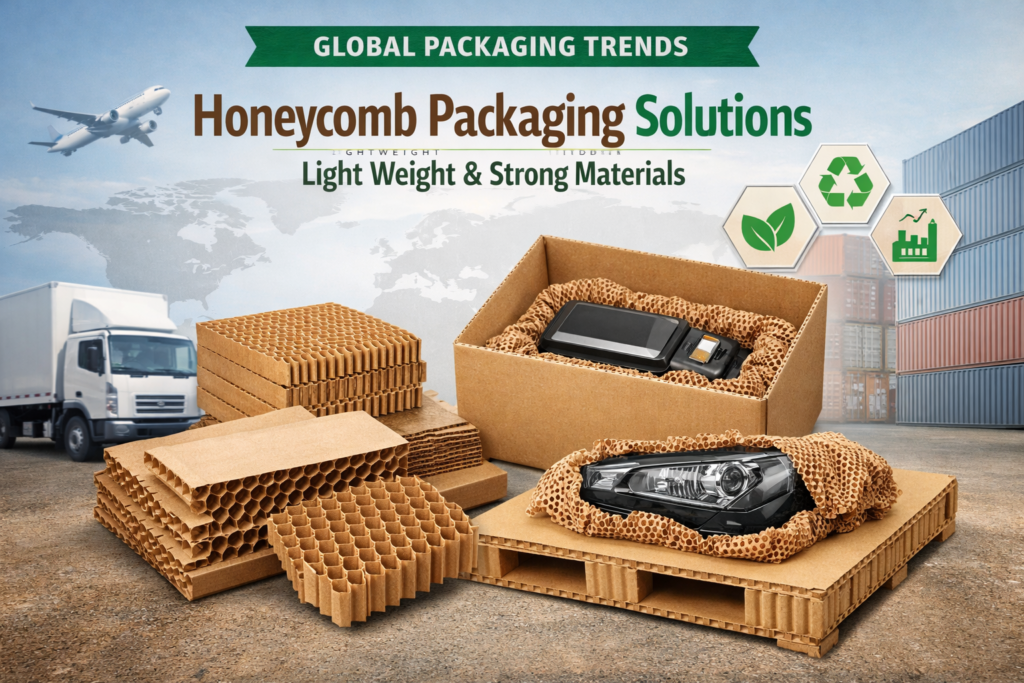
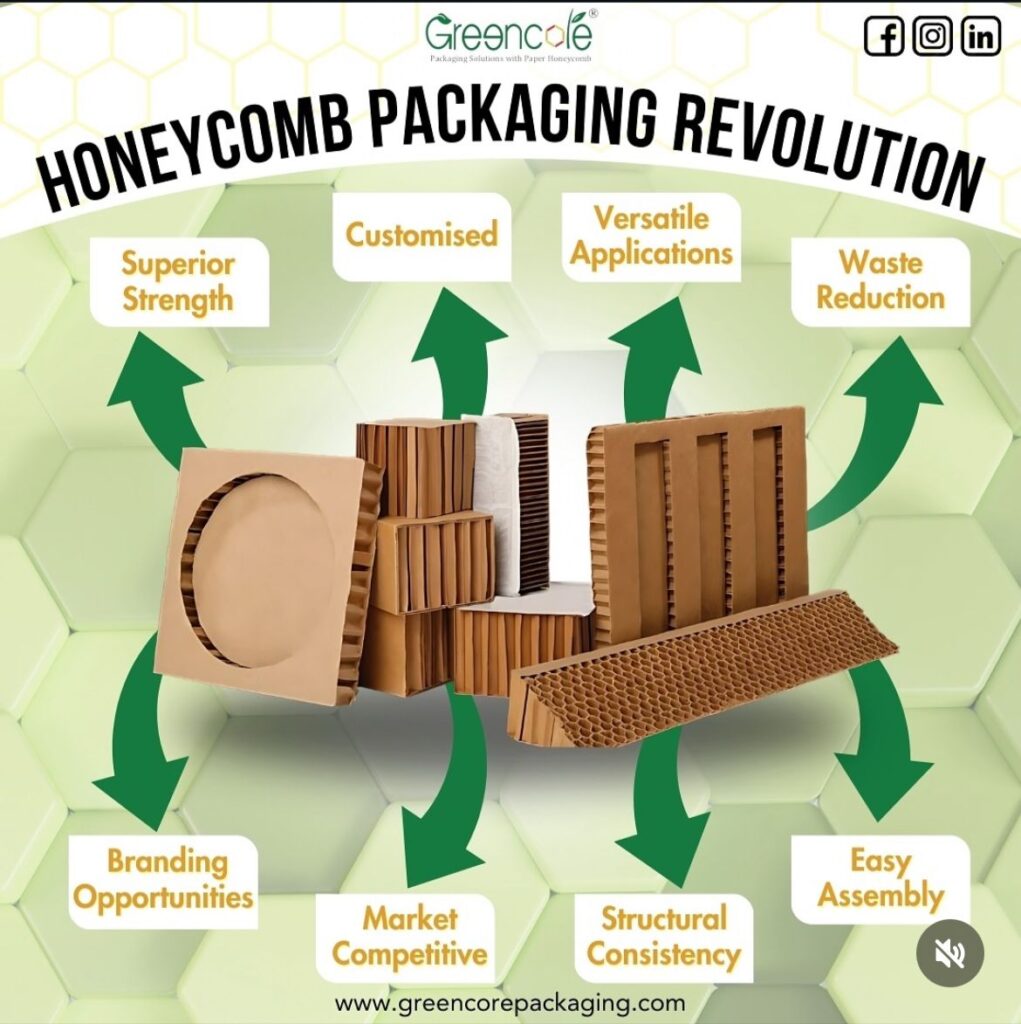
The Common Belief: Strong Protection Requires More Packaging For decades, businesses have believed that the safest way to protect products during shipping is to use more packaging materials. Thick foam, multiple layers of plastic, and bulky cushioning have long been considered essential for preventing damage. The assumption is simple: more material equals better protection. However, as sustainability becomes a priority and shipping volumes continue to grow, this traditional approach is being questioned. Companies are now looking for solutions that provide the same level of protection while reducing waste and environmental impact. The Problem: Excessive Packaging Creates More Waste Traditional packaging materials often come with significant drawbacks. Plastic wraps, foam inserts, and expanded polystyrene occupy large amounts of storage space and generate considerable waste after use. Many of these materials are difficult to recycle and frequently end up in landfills. In addition to environmental concerns, excessive packaging increases shipping costs due to added weight and volume. Businesses are under pressure to reduce costs, improve efficiency, and meet customer expectations for sustainable practices. Market Reality: Sustainability Is Driving Packaging Innovation Today’s market is shifting rapidly toward eco-friendly packaging solutions. Consumers, retailers, and regulatory bodies are demanding packaging that minimizes environmental impact without compromising product safety. As a result, industries such as e-commerce, electronics, automotive, furniture, and consumer goods are adopting innovative packaging materials that balance performance and sustainability. Among these solutions, honeycomb packaging has emerged as one of the most effective alternatives. Made primarily from kraft paper, honeycomb packaging features a unique hexagonal structure inspired by natural honeycombs. This design delivers exceptional strength, cushioning, and shock absorption while using significantly less material than traditional protective packaging. The Statistics: What the Numbers Reveal Several industry studies highlight the growing importance of sustainable packaging: These statistics demonstrate that sustainability is no longer a trend it has become a business necessity. What These Statistics Prove The numbers clearly show that companies can no longer rely solely on traditional packaging methods. Customers are increasingly aware of environmental issues and are actively supporting brands that prioritize sustainability. At the same time, businesses must maintain product integrity during transit. Honeycomb packaging proves that it is possible to achieve both objectives simultaneously. Its structure absorbs impacts effectively, protects products from damage, and reduces the need for excessive packaging materials. This combination of performance and sustainability makes honeycomb packaging a practical solution for modern supply chains. Why Honeycomb Packaging Matters Honeycomb packaging offers several advantages that directly address today’s packaging challenges: 1. Enhanced Product Protection The honeycomb structure distributes pressure evenly and absorbs shocks, helping prevent damage during transportation and handling. 2. Reduced Packaging Waste Because it requires less material while maintaining strength, honeycomb packaging significantly reduces overall packaging waste. 3. Eco-Friendly and Recyclable Most honeycomb packaging products are made from recyclable and biodegradable paper-based materials, making disposal easier and more sustainable. 4. Lower Shipping Costs Its lightweight design reduces transportation weight, helping businesses save on shipping expenses and improve logistics efficiency. 5. Improved Brand Reputation Consumers increasingly value sustainable business practices. Using eco-friendly packaging can strengthen brand image and customer loyalty. Conclusion The belief that stronger protection requires more packaging is rapidly becoming outdated. Modern businesses need packaging solutions that deliver both performance and sustainability. Honeycomb packaging achieves this balance by providing excellent product protection while significantly reducing packaging waste. As environmental concerns continue to influence purchasing decisions and business operations, adopting honeycomb packaging is more than just a packaging upgrade it is a strategic investment in efficiency, sustainability, and long-term business growth. Companies that embrace innovative solutions today will be better positioned to meet customer expectations and future market demands.