
Author name: greencorepackaging

Honeycomb Packaging
Blog

How Honeycomb Packaging Enhances Product Protection While Reducing Packaging Waste

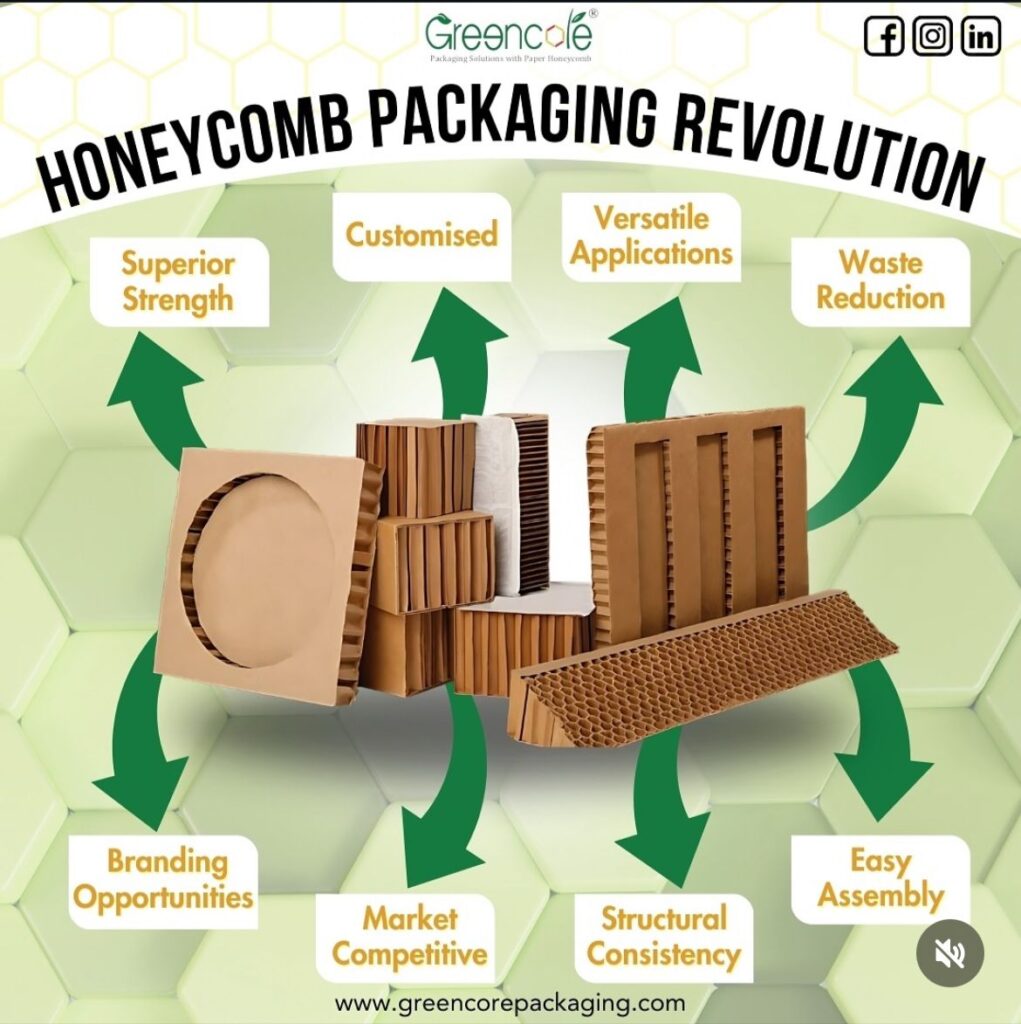
The Common Belief: Strong Protection Requires More Packaging For decades, businesses have believed that the safest way to protect products during shipping is to use more packaging materials. Thick foam, multiple layers of plastic, and bulky cushioning have long been considered essential for preventing damage. The assumption is simple: more material equals better protection. However, as sustainability becomes a priority and shipping volumes continue to grow, this traditional approach is being questioned. Companies are now looking for solutions that provide the same level of protection while reducing waste and environmental impact. The Problem: Excessive Packaging Creates More Waste Traditional packaging materials often come with significant drawbacks. Plastic wraps, foam inserts, and expanded polystyrene occupy large amounts of storage space and generate considerable waste after use. Many of these materials are difficult to recycle and frequently end up in landfills. In addition to environmental concerns, excessive packaging increases shipping costs due to added weight and volume. Businesses are under pressure to reduce costs, improve efficiency, and meet customer expectations for sustainable practices. Market Reality: Sustainability Is Driving Packaging Innovation Today’s market is shifting rapidly toward eco-friendly packaging solutions. Consumers, retailers, and regulatory bodies are demanding packaging that minimizes environmental impact without compromising product safety. As a result, industries such as e-commerce, electronics, automotive, furniture, and consumer goods are adopting innovative packaging materials that balance performance and sustainability. Among these solutions, honeycomb packaging has emerged as one of the most effective alternatives. Made primarily from kraft paper, honeycomb packaging features a unique hexagonal structure inspired by natural honeycombs. This design delivers exceptional strength, cushioning, and shock absorption while using significantly less material than traditional protective packaging. The Statistics: What the Numbers Reveal Several industry studies highlight the growing importance of sustainable packaging: These statistics demonstrate that sustainability is no longer a trend it has become a business necessity. What These Statistics Prove The numbers clearly show that companies can no longer rely solely on traditional packaging methods. Customers are increasingly aware of environmental issues and are actively supporting brands that prioritize sustainability. At the same time, businesses must maintain product integrity during transit. Honeycomb packaging proves that it is possible to achieve both objectives simultaneously. Its structure absorbs impacts effectively, protects products from damage, and reduces the need for excessive packaging materials. This combination of performance and sustainability makes honeycomb packaging a practical solution for modern supply chains. Why Honeycomb Packaging Matters Honeycomb packaging offers several advantages that directly address today’s packaging challenges: 1. Enhanced Product Protection The honeycomb structure distributes pressure evenly and absorbs shocks, helping prevent damage during transportation and handling. 2. Reduced Packaging Waste Because it requires less material while maintaining strength, honeycomb packaging significantly reduces overall packaging waste. 3. Eco-Friendly and Recyclable Most honeycomb packaging products are made from recyclable and biodegradable paper-based materials, making disposal easier and more sustainable. 4. Lower Shipping Costs Its lightweight design reduces transportation weight, helping businesses save on shipping expenses and improve logistics efficiency. 5. Improved Brand Reputation Consumers increasingly value sustainable business practices. Using eco-friendly packaging can strengthen brand image and customer loyalty. Conclusion The belief that stronger protection requires more packaging is rapidly becoming outdated. Modern businesses need packaging solutions that deliver both performance and sustainability. Honeycomb packaging achieves this balance by providing excellent product protection while significantly reducing packaging waste. As environmental concerns continue to influence purchasing decisions and business operations, adopting honeycomb packaging is more than just a packaging upgrade it is a strategic investment in efficiency, sustainability, and long-term business growth. Companies that embrace innovative solutions today will be better positioned to meet customer expectations and future market demands.

Honeycomb Packaging in Automotive
Blog

The Growing Demand for Honeycomb Packaging in the Automotive and Electronics Sectors

The automotive and electronics industries are undergoing rapid transformation, driven by innovation, global supply chains, and increasing sustainability goals. As manufacturers seek packaging solutions that offer superior protection while reducing environmental impact, Honeycomb Packaging in Automotive applications has emerged as a preferred choice. Its lightweight structure, exceptional strength, and eco-friendly properties make it an ideal packaging material for transporting valuable automotive components and delicate electronic products. Why Honeycomb Packaging Is Gaining Popularity Honeycomb packaging is made from kraft paper arranged in a honeycomb-shaped core structure. This design provides excellent cushioning and load-bearing capacity while using minimal raw material. Compared to traditional packaging materials such as plastic foam and wood, honeycomb packaging offers a sustainable and cost-effective alternative. Industries that handle high-value and fragile products are increasingly adopting honeycomb packaging to improve product safety during storage and transportation. Honeycomb Packaging in Automotive Applications The automotive sector relies heavily on secure packaging solutions to protect parts from damage during shipping. Honeycomb Packaging in Automotive applications is widely used for: The lightweight nature of honeycomb packaging helps reduce transportation costs while ensuring that automotive components reach their destination safely. With the growing electric vehicle (EV) market, manufacturers are increasingly using honeycomb packaging for battery transportation and protection. Rising Demand in the Electronics Industry Electronic products require packaging that can absorb shocks and prevent damage during transit. Honeycomb packaging provides excellent cushioning for: As global electronics manufacturing continues to expand, companies are turning to honeycomb packaging to reduce product returns caused by shipping damage and improve overall customer satisfaction. Sustainability Driving Industry Adoption Environmental regulations and corporate sustainability initiatives are encouraging businesses to move away from non-recyclable packaging materials. Honeycomb packaging is made from recyclable paper, making it an environmentally responsible choice. Benefits include: These advantages make honeycomb packaging particularly attractive for companies focused on achieving greener supply chains. Future Outlook The future of Honeycomb Packaging in Automotive and electronics sectors looks promising. Growing production volumes, expanding global trade, and increasing environmental awareness are expected to drive demand further. As businesses prioritize product protection, cost efficiency, and sustainability, honeycomb packaging will continue to play a vital role in modern industrial packaging solutions. Conclusion The increasing adoption of Honeycomb Packaging in Automotive and electronics industries reflects the growing need for durable, lightweight, and sustainable packaging solutions. With its ability to protect valuable products while supporting environmental objectives, honeycomb packaging is becoming an essential component of modern supply chain operations across both sectors.

Honeycomb Packaging
Blog

Honeycomb Packaging Trends Shaping the Future of Green Logistics Worldwide

As global industries move toward sustainable operations, packaging has become a major focus area in reducing environmental impact. Businesses across e-commerce, manufacturing, automotive, electronics, and retail are now adopting eco-friendly alternatives that offer both protection and sustainability. One solution gaining rapid momentum is honeycomb packaging. Known for its lightweight structure, durability, and recyclable nature, honeycomb packaging is transforming the future of green logistics worldwide. Rising Demand for Sustainable Packaging Solutions Governments, consumers, and businesses are placing increasing pressure on industries to reduce plastic waste and carbon emissions. Traditional packaging materials such as thermocol and plastic-based cushioning are gradually being replaced with paper-based alternatives. Honeycomb packaging stands out because it: Companies are now prioritizing packaging that aligns with ESG and sustainability commitments. Growth of E-Commerce Driving Adoption The rapid growth of e-commerce has significantly increased the need for protective packaging. Products shipped across long distances require durable solutions that can prevent damage while remaining cost-effective. Honeycomb packaging is becoming a preferred choice because it: Major logistics and retail companies are shifting toward paper-based protective packaging to improve both sustainability and operational efficiency. Lightweight Packaging Reducing Logistics Costs One of the biggest global packaging trends is lightweight logistics. Businesses are looking for ways to reduce fuel consumption and optimize shipping expenses. Honeycomb packaging offers high strength with minimal material weight. This helps companies: Its excellent strength-to-weight ratio makes it ideal for industrial packaging applications. Increased Use in Industrial and Automotive Sectors Honeycomb packaging is no longer limited to retail packaging. Industries such as automotive, electronics, furniture, and consumer appliances are adopting it for heavy-duty protection. Manufacturers use honeycomb boards, pallets, and cushioning solutions to: This trend is especially strong in export-focused industries looking for sustainable alternatives. Customization and Innovative Packaging Designs Modern businesses require packaging solutions tailored to product dimensions and branding needs. Honeycomb packaging manufacturers are now offering customized solutions for different industries. Innovations include: These flexible designs improve product safety while enhancing packaging presentation and sustainability. Growing Focus on Circular Economy Practices Global logistics companies are increasingly adopting circular economy models where packaging materials can be reused, recycled, or repurposed. Honeycomb packaging supports this transition because it is: Businesses aiming for zero-waste operations are actively integrating recyclable packaging materials into their logistics systems. Conclusion Honeycomb packaging is emerging as a key driver of sustainable logistics worldwide. Its combination of strength, lightweight performance, recyclability, and cost efficiency makes it an ideal solution for modern supply chains. As industries continue to prioritize green operations and environmentally responsible packaging, honeycomb packaging is expected to play a major role in shaping the future of global logistics.

Sustainable solution in bhiwadi
Blog

Why Companies Are Switching to Honeycomb Packaging Instead of Petroleum-Based Packaging

The Rise of Sustainable Packaging Solutions As sustainability becomes a major priority across industries, companies are actively rethinking their packaging strategies. Traditional petroleum-based packaging materials such as plastic foam, bubble wrap, and thermocol are increasingly being replaced with eco-friendly alternatives like honeycomb packaging. Honeycomb packaging is gaining popularity because it offers durability, lightweight protection, and environmental benefits without depending on petroleum-based products. What Is Honeycomb Packaging? Honeycomb packaging is a paper-based protective packaging solution designed with a honeycomb structure that provides strength and cushioning. It is widely used in eCommerce, electronics, automotive, retail, and logistics industries to protect products during transportation and storage. Why Businesses Are Choosing Honeycomb Packaging 1. Environmentally Friendly Packaging Unlike plastic packaging, honeycomb packaging is recyclable, biodegradable, and made from sustainable paper materials. Companies are adopting it to reduce environmental impact and support green initiatives. 2. Reduces Dependence on Petroleum-Based Products Traditional packaging materials rely heavily on petroleum. Honeycomb packaging helps businesses reduce plastic consumption and move toward sustainable packaging alternatives. 3. Lightweight Yet Durable Honeycomb packaging offers strong product protection while remaining lightweight. This helps reduce shipping costs and improves logistics efficiency. 4. Improves Brand Reputation Consumers today prefer brands that prioritize sustainability. Businesses using eco-friendly packaging often build stronger customer trust and improve brand perception. 5. Supports Long-Term Sustainability Goals Many governments and industries are introducing stricter environmental regulations. Switching to honeycomb packaging helps companies stay aligned with future sustainability and ESG goals. The Future of Sustainable Packaging As businesses continue focusing on eco-conscious operations, honeycomb packaging is expected to become a preferred alternative to petroleum-based packaging materials. Companies adopting sustainable packaging solutions today are better positioned for long-term growth, compliance, and customer loyalty.

Honeycomb Packaging Solutions
Blog

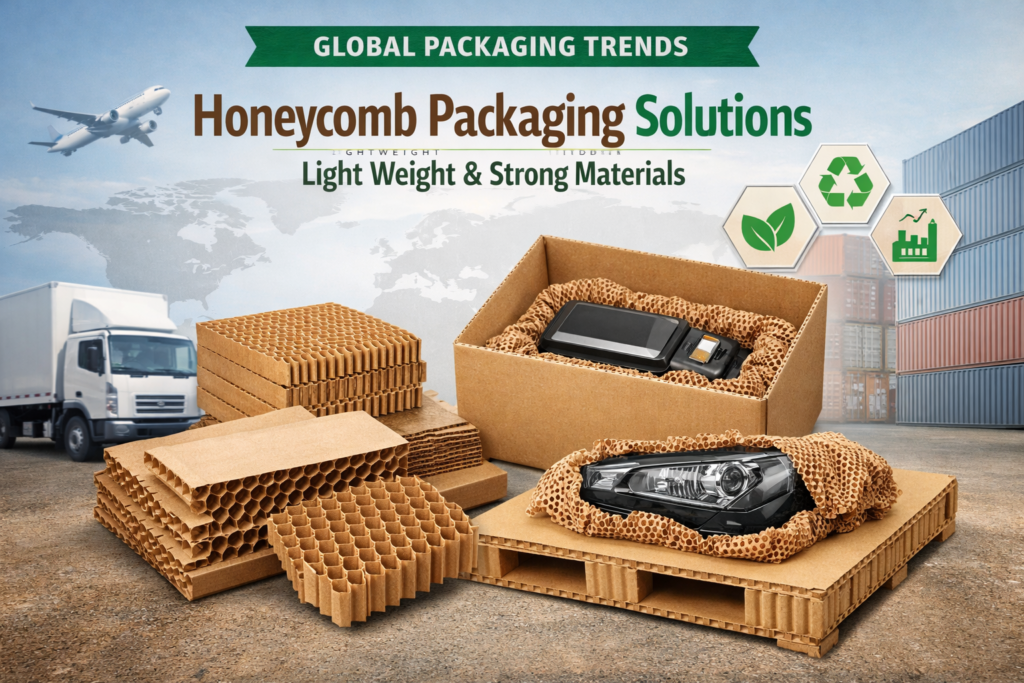
Global Packaging Trends: Moving Towards Honeycomb Packaging Solutions with Lightweight and Strong Materials

The global packaging industry is undergoing a major transformation. As businesses face increasing pressure to reduce costs, improve sustainability, and ensure product safety, innovative materials are becoming more important than ever. Among these, honeycomb packaging solutions are emerging as a preferred choice for companies seeking the ideal balance between strength, lightweight design, and environmental responsibility. The Shift Towards Smarter Packaging Traditional packaging materials such as wood, thermocol, and plastic have long been used for protection during shipping and storage. However, these materials come with several limitations, including excessive weight, environmental impact, and higher transportation costs. Today, companies across the globe are shifting toward lightweight and strong materials that offer equal or better performance while reducing their carbon footprint. This transition is driven by rising logistics costs, stricter environmental regulations, and growing consumer awareness around sustainability. What is Honeycomb Packaging? Honeycomb packaging is inspired by the natural hexagonal structure of a beehive. This design provides exceptional strength while using minimal material. Typically made from kraft paper or recycled paper, honeycomb structures are engineered to absorb shocks, distribute weight evenly, and protect products during transit. Despite being lightweight, honeycomb packaging is capable of handling heavy loads, making it a reliable alternative to traditional packaging materials. Why Honeycomb Packaging is Gaining Global Popularity 1. Lightweight yet Highly DurableHoneycomb packaging offers an excellent strength-to-weight ratio. It reduces the overall weight of shipments, leading to lower transportation costs while maintaining product safety. 2. Sustainable and Eco-FriendlyAs sustainability becomes a global priority, honeycomb packaging stands out as an environmentally responsible option. It is made from recyclable and biodegradable materials, contains no harmful chemicals, and supports waste reduction. 3. Cost-Effective SolutionBy reducing material usage and shipping weight, businesses can significantly lower costs. It also minimizes the need for multiple packaging layers, improving efficiency in logistics and handling. 4. Versatility Across IndustriesHoneycomb packaging is widely used across multiple sectors, including e-commerce, automotive, electronics, furniture, and industrial goods. Its adaptability makes it suitable for a wide range of applications. 5. Enhanced Product ProtectionThe unique structure of honeycomb cores absorbs impact effectively, reducing the risk of damage during transit. This leads to fewer returns and improved customer satisfaction. Global Trends Driving Adoption Globally, businesses are prioritizing sustainable innovation in packaging. Governments and regulatory bodies are also encouraging the use of eco-friendly materials, prompting companies to rethink their packaging strategies. Key trends include: Honeycomb packaging aligns perfectly with these trends, making it a future-ready solution. The Role of Innovation in Packaging Companies like Greencore are playing a crucial role in advancing sustainable packaging solutions. By investing in modern technology and eco-friendly materials, businesses can deliver high-performance packaging without compromising on environmental goals. Continuous innovation in honeycomb packaging design and manufacturing is further enhancing its strength, customization, and usability across industries. Looking Ahead The future of packaging lies in solutions that are both efficient and sustainable. Honeycomb packaging demonstrates how smart design can replace heavy, non-eco-friendly materials with lightweight and high-performance alternatives. As industries evolve, adopting lightweight and strong materials will become essential for long-term success. Conclusion The shift towards honeycomb packaging solutions reflects a broader change in the global packaging landscape. Businesses today are not just focused on protection, but also on sustainability, cost efficiency, and innovation. By adopting honeycomb packaging, companies can reduce costs, lower environmental impact, and stay competitive in a rapidly changing market. It is not just a trend it is the future of packaging.

Honeycomb packaging
Blog

Global Plastic Price Hike: Why Businesses Are Switching to Honeycomb Packaging

The global plastic price hike is creating major challenges for businesses that rely heavily on traditional packaging materials. From e-commerce to manufacturing, companies are facing rising costs due to increasing plastic prices, supply chain disruptions, and strict environmental regulations. As a result, businesses are now actively looking for sustainable packaging solutions that are both cost-effective and eco-friendly. One such solution gaining rapid popularity is honeycomb packaging. Why Are Plastic Prices Rising Globally? The surge in plastic packaging costs is driven by multiple global factors: These factors have made plastic packaging more expensive and less reliable, pushing businesses to explore better alternatives. The Shift Towards Sustainable Packaging Solutions Today, sustainable packaging is not just a trend—it’s a necessity. Customers are becoming more environmentally conscious, and brands that adopt eco-friendly packaging are gaining a competitive edge. Switching to paper-based alternatives like honeycomb packaging helps businesses reduce costs while also meeting sustainability goals. What is Honeycomb Packaging? Honeycomb packaging is an innovative, paper-based solution designed to replace plastic bubble wrap and foam. Its unique hexagonal structure provides excellent cushioning, strength, and flexibility. It is widely used in: Benefits of Honeycomb Packaging 1. Cost-Effective Alternative to Plastic With rising plastic prices, honeycomb packaging offers a more stable and economical solution. 2. Eco-Friendly and Sustainable Made from recyclable paper, it supports sustainable business practices and reduces environmental impact. 3. Strong and Protective Despite being lightweight, the honeycomb structure provides excellent shock absorption and product safety. 4. Lightweight and Efficient Reduces shipping costs due to its lightweight design, making it ideal for bulk packaging. 5. Enhances Brand Image Using eco-friendly packaging solutions improves brand perception and builds customer trust. Why Businesses Are Choosing Honeycomb Packaging Companies are rapidly shifting to honeycomb packaging solutions because they: Conclusion The global rise in plastic prices is forcing businesses to rethink their packaging strategies. Adopting honeycomb packaging is a smart move that offers both cost savings and environmental benefits. As the demand for sustainable packaging solutions continues to grow, businesses that make the switch today will be better positioned for the future.

Honeycomb packaging
Blog

The Role of Honeycomb Packaging in Modern Manufacturing

In today’s fast-paced manufacturing world, protecting products during transit is more important than ever. One innovative solution gaining popularity among manufacturers is honeycomb packaging. This eco-friendly, durable, and versatile packaging option is transforming how products are shipped, stored, and displayed. What is Honeycomb Packaging? Honeycomb packaging is made from a lightweight yet strong material designed in a hexagonal structure, resembling a honeycomb. This design provides exceptional strength-to-weight ratio, making it ideal for protecting fragile and heavy items alike. Its unique structure allows for cushioning, shock absorption, and stability, reducing the risk of product damage during handling and transportation. Benefits of Honeycomb Packaging for Manufacturers1. Cost-Effective and LightweightHoneycomb panels are much lighter than traditional packaging materials like wood or plastic crates. This not only reduces shipping costs but also minimizes handling labor.2. Eco-Friendly SolutionMost honeycomb packaging is made from recyclable materials, helping manufacturers meet sustainability goals and appeal to environmentally conscious consumers.3. Customizable DesignHoneycomb packaging can be easily cut and shaped to fit products of any size. Manufacturers can customize the thickness, layers, and dimensions to meet specific packaging needs.4. Superior ProtectionThe hexagonal structure distributes weight evenly and absorbs shocks, preventing damage to delicate or high-value products. This reliability enhances customer satisfaction and reduces returns.5. Versatility Across IndustriesHoneycomb packaging is widely used in industries such as electronics, furniture, automotive, and food. Its strength and adaptability make it suitable for nearly any product type. SEO-Friendly Tips for Manufacturers• Use Keywords Naturally: Include terms like “eco-friendly packaging,” “durable shipping solutions,” “honeycomb packaging benefits,” and “custom packaging for manufacturers.”• Highlight Sustainability: More buyers search for sustainable packaging solutions, so emphasize eco-friendliness.• Include Case Studies or Examples: Show real-life applications where honeycomb packaging improved shipping efficiency or reduced product damage.• Internal Linking: Link to related pages on your website, such as your manufacturing services or product catalog. Conclusion For manufacturers looking to combine cost-efficiency, sustainability, and superior protection, honeycomb packaging offers a smart solution. Its customizable, lightweight, and eco-friendly design ensures products arrive safely, reducing waste and boosting customer satisfaction. By embracing honeycomb packaging, manufacturers can stay ahead in a competitive market while supporting environmental responsibility.

Blog

Pallet Sleeve Box Solutions by Greencore: Smart, Sustainable & Cost-Effective Packaging

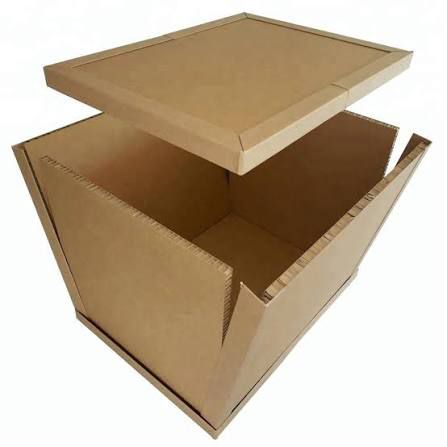
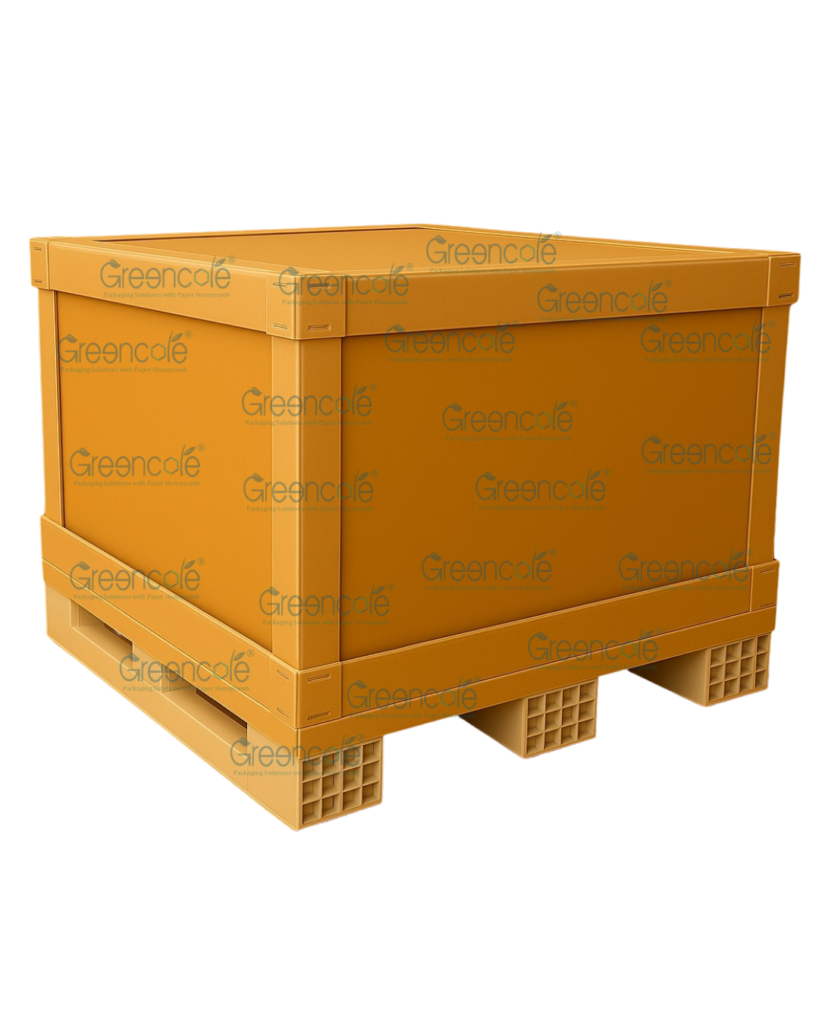
In today’s fast-moving logistics and manufacturing environment, businesses need packaging that is durable, reusable, and efficient. Pallet sleeve boxes are emerging as a game-changing solution for bulk storage and transportation. At Greencore, we provide high-quality pallet sleeve box systems designed to optimize warehouse space, reduce packaging waste, and improve supply chain performance. What Is a Pallet Sleeve Box? A pallet sleeve box is a modular bulk packaging system consisting of three main components: a base pallet, a foldable sleeve (corrugated plastic or honeycomb board), and a lid. When assembled, it creates a strong, stackable container ideal for transporting automotive parts, FMCG goods, pharmaceuticals, agriculture produce, and industrial components. Unlike traditional wooden crates or single-use corrugated boxes, pallet sleeve packaging is reusable and collapsible, making it a cost-effective and eco-friendly choice. Key Benefits of Greencore Pallet Sleeve Boxes Industries That Use Pallet Sleeve Boxes Greencore’s pallet sleeve box systems are widely used in:• Automotive manufacturing• Electronics and appliances• Retail and FMCG distribution• Pharmaceutical logistics• Agriculture and food processing Their versatility makes them suitable for both domestic and export shipments. Why Choose Greencore for Pallet Sleeve Boxes? Greencore is committed to delivering innovative and sustainable industrial packaging solutions. Our pallet sleeve boxes are manufactured using high-quality materials to ensure durability, hygiene, and repeated usability. We focus on:• Quality assurance• Competitive pricing• On-time delivery• Custom engineering solutions• Excellent customer support

foldable large containers
Blog

Foldable Large Container: A Smart Solution for Modern Storage & Logistics

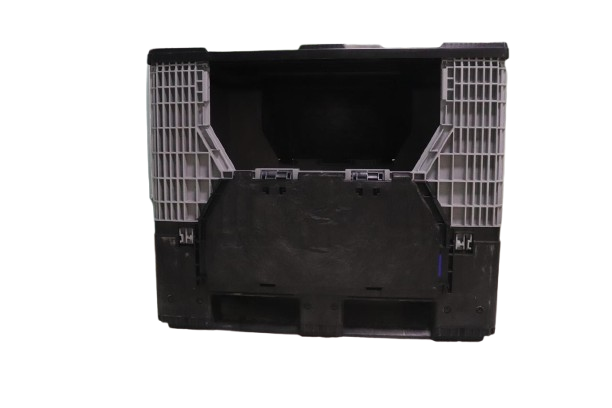
In today’s fast-moving industrial and logistics environment, businesses are constantly looking for smarter, cost-effective, and space-saving storage solutions. One such innovation that has gained significant popularity is the Foldable Large Container (FLC). Designed for durability, flexibility, and efficiency, these containers are transforming supply chain and warehouse operations across industries. What is a Foldable Large Container? A Foldable Large Container (FLC) is a heavy-duty, reusable storage and transport container that can be collapsed when not in use. Unlike traditional rigid containers, FLCs are designed with foldable walls, allowing them to save space during return transport or storage. These containers are commonly made from high-quality plastic (HDPE/PP) or metal frames with reinforced panels to withstand heavy loads and repeated use. Key Features of Foldable Large Containers One of the biggest advantages of foldable containers is their ability to collapse. When empty, they can reduce storage space by up to 60–80%, lowering warehouse and transportation costs. FLCs are built for strength. They can carry heavy industrial components, agricultural produce, automotive parts, and bulk materials without compromising structural integrity. Made from robust materials, these containers are resistant to moisture, chemicals, and impact. Their long lifecycle makes them a sustainable alternative to single-use packaging. Most foldable large containers are compatible with forklifts and pallet systems. They are stackable both when folded and unfolded, ensuring optimized vertical storage. How to Choose the Right Foldable Large Container When selecting an FLC, consider:• Load-bearing capacity• Material quality• Folded height ratio• Compatibility with pallets or forklifts• Industry-specific requirements Choosing the right container ensures long-term cost savings and operational efficiency. Conclusion Foldable Large Containers are redefining modern storage and logistics solutions. With their space-saving design, durability, and cost efficiency, they provide businesses with a smarter and more sustainable way to manage bulk goods and materials. As industries continue to prioritize efficiency and sustainability, foldable large containers stand out as a practical investment for future-ready operations.

Blog

Compressed Wood Pallet

Compressed Wood Pallets – Smart, Lightweight & Export-Ready Compressed wood pallets—also known as presswood pallets—are an innovative, eco-friendly alternative to traditional wooden and plastic pallets. Made from recycled wood fibers and compressed under high temperature and pressure, these pallets deliver exceptional strength, consistency, and performance. Why Choose Compressed Wood Pallets? ISPM-15 Exempt: Fully heat-treated during manufacturing, making them ideal for export without additional fumigation. Lightweight yet Strong: High load capacity with significantly lower weight, reducing freight cost. Nestable & Space-Saving: Up to 60% more pallets can be stored in the same area. Eco-Friendly: Manufactured from recycled wood waste and 100% recyclable. Safe & Clean: No nails, splinters, or sharp edges—suitable for food, pharma, and clean environments. Applications of Compressed Wood Pallets Compressed wood pallets are used across industries including: Automotive & engineering FMCG & retail Pharmaceuticals Electronics Exports and logistics Chemical & industrial goods Their lightweight design makes them especially beneficial for air shipments and sea container optimization.  

Scroll to Top