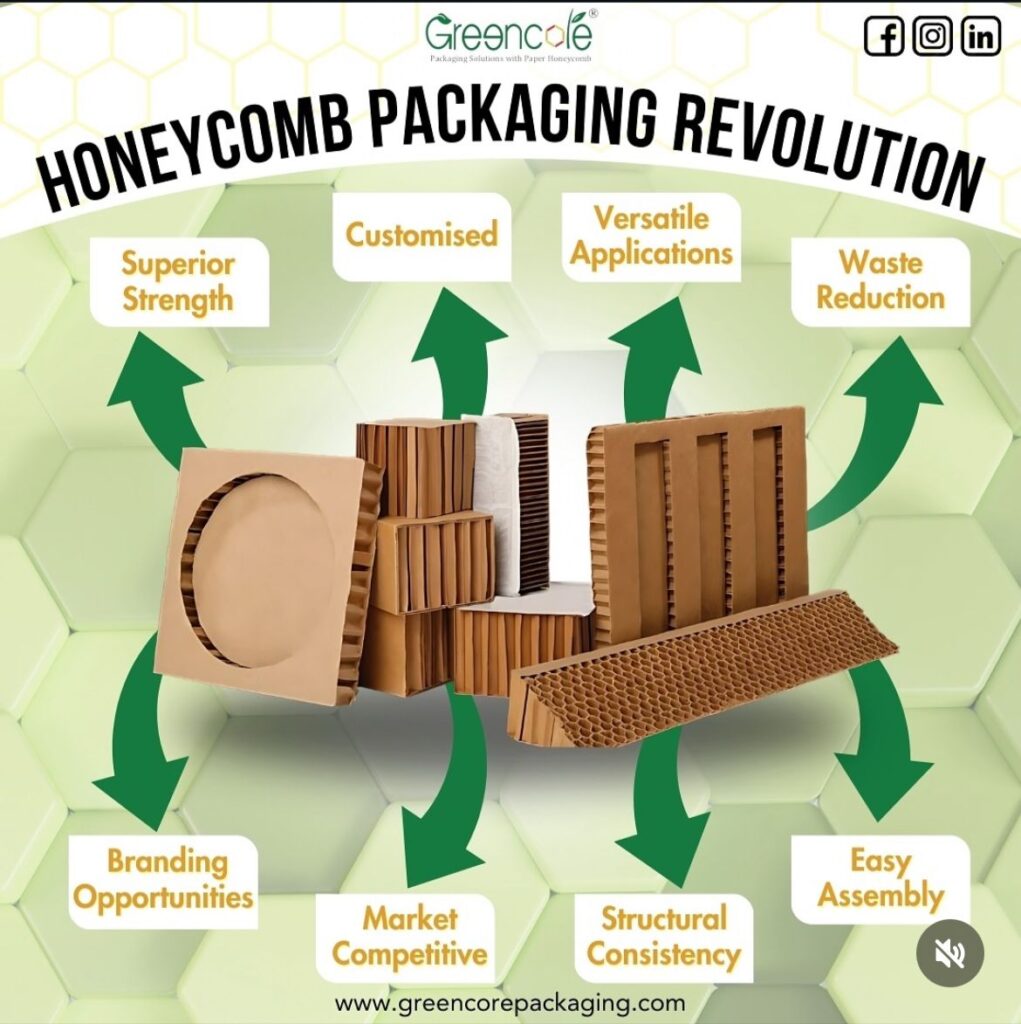
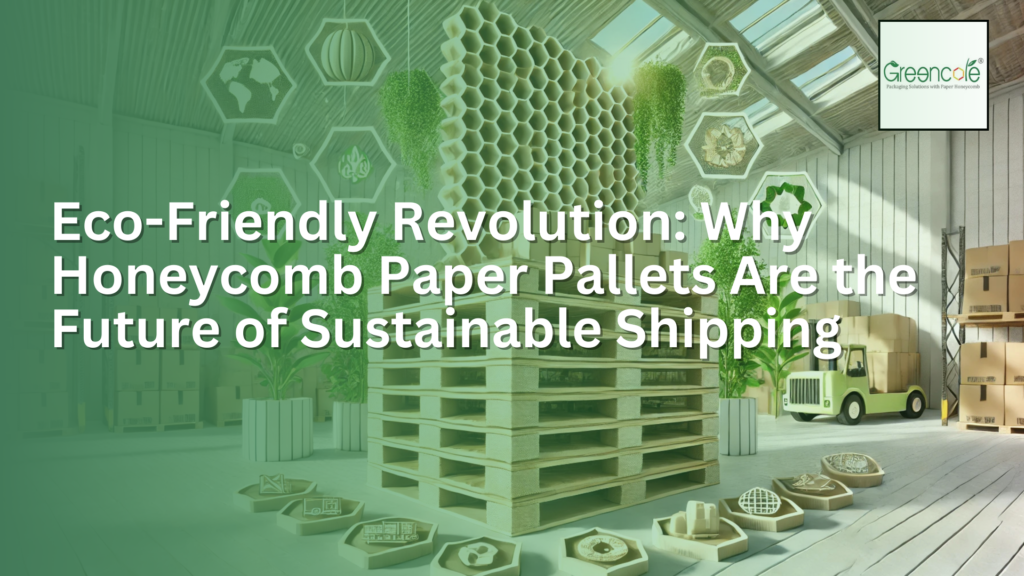
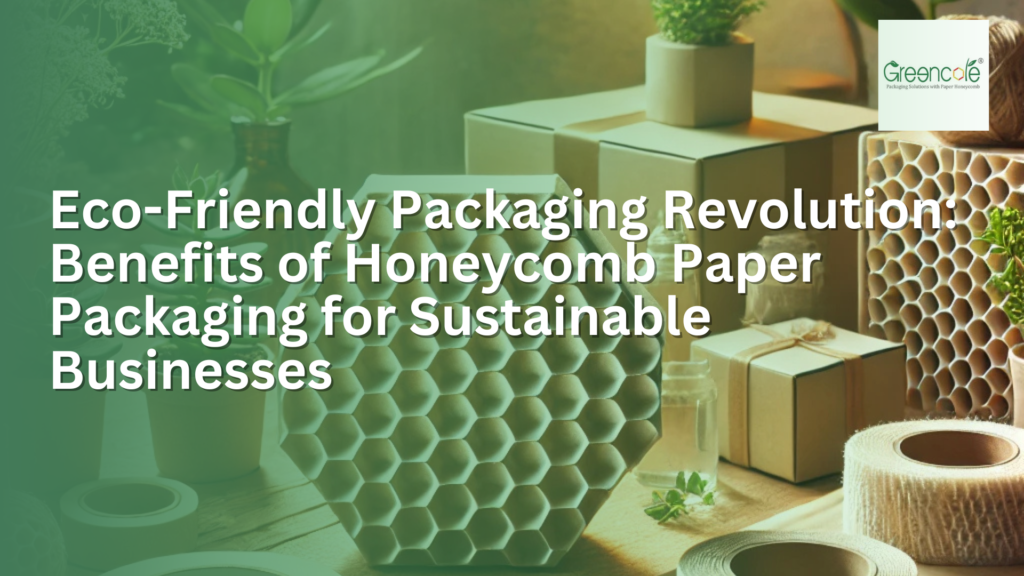
In today’s environmentally conscious world, businesses are continually seeking ways to adopt sustainable practices. Packaging plays a critical role in this transformation. Among the many options available, honeycomb paper packaging has emerged as a revolutionary solution for companies looking to reduce their environmental footprint. Lightweight, durable, and 100% recyclable, honeycomb paper packaging offers an eco-friendly alternative to traditional materials like plastic and Styrofoam. In this blog, we’ll explore the benefits of honeycomb paper packaging, its impact on sustainable businesses, and why it’s the future of eco-friendly packaging. What is Honeycomb Paper Packaging? Honeycomb paper packaging is inspired by nature’s ingenious design—the hexagonal structure of a beehive. This structure is known for its remarkable strength-to-weight ratio, making it both lightweight and durable. Honeycomb paper packaging consists of recycled kraft paper that is molded into hexagonal cells, forming a robust yet eco-friendly material that can be used for various applications. From product cushioning to shipping boxes and pallets, honeycomb paper is a versatile material ideal for protecting goods while reducing waste. Why Sustainable Packaging Matters Before diving into the benefits of honeycomb paper packaging, let’s understand why sustainability in packaging is critical for businesses today. Benefits of Honeycomb Paper Packaging Now that we understand the need for sustainable packaging, let’s explore the many advantages of using honeycomb paper packaging for your business: 1. Environmentally Friendly Honeycomb paper packaging is made from 100% recycled kraft paper and is fully biodegradable. Unlike plastic, which can take hundreds of years to decompose, honeycomb paper breaks down naturally and does not contribute to pollution. Additionally, its recyclability ensures a closed-loop system, reducing the demand for virgin materials. 2. Lightweight but Strong The honeycomb structure offers incredible strength while remaining lightweight. This feature makes it an excellent alternative to bulky and heavy packaging materials like wood and foam. Businesses can reduce shipping costs by using honeycomb paper, as lighter packages are less expensive to transport. 3. Durable and Impact-Resistant Despite its lightweight nature, honeycomb paper provides exceptional protection for products. Its hexagonal cells absorb shocks and vibrations, making it ideal for packaging fragile items such as electronics, glassware, and furniture. This durability ensures that products reach customers in pristine condition, reducing returns and enhancing customer satisfaction. 4. Cost-Effective Honeycomb paper packaging is not only sustainable but also cost-effective. Its production requires fewer raw materials compared to traditional packaging, resulting in lower manufacturing costs. Additionally, the reduced weight of honeycomb paper leads to savings on shipping expenses. 5. Customizable and Versatile Honeycomb paper packaging can be customized to suit various applications. Whether you need cushioning, dividers, or protective layers, this material can be tailored to meet your packaging needs. Its versatility makes it suitable for industries such as e-commerce, automotive, furniture, and electronics. 6. Improves Brand Image Adopting eco-friendly packaging solutions like honeycomb paper enhances your brand’s reputation. Consumers are increasingly drawn to companies that demonstrate a commitment to sustainability. By using biodegradable and recyclable materials, your business can stand out as a socially responsible brand. 7. Reduces Carbon Footprint Using honeycomb paper packaging significantly reduces your business’s carbon footprint. Its production generates fewer greenhouse gas emissions compared to plastic and Styrofoam. Additionally, its lightweight nature reduces fuel consumption during transportation, contributing to a greener supply chain. Applications of Honeycomb Paper Packaging Honeycomb paper packaging is versatile and can be used in a variety of industries. Here are some common applications: 1. Protective Cushioning Honeycomb paper is widely used for cushioning fragile items during shipping. Its impact resistance ensures that products like electronics, ceramics, and glassware are protected from damage. 2. Shipping Boxes Honeycomb paper is often used to create sturdy shipping boxes. These boxes are lightweight yet strong enough to handle heavy loads, making them ideal for e-commerce businesses. 3. Pallets and Layer Pads Honeycomb paper pallets are a sustainable alternative to wooden pallets. They are lighter, recyclable, and splinter-free. Layer pads made from honeycomb paper provide added protection for stacked goods. 4. Edge and Corner Protectors Honeycomb paper is used to create edge and corner protectors for furniture and other large items. These protectors ensure that products remain safe during transportation and storage. 5. Retail Packaging Retailers are increasingly using honeycomb paper packaging to wrap products such as cosmetics, clothing, and gift items. Its aesthetic appeal and eco-friendly nature resonate well with consumers. Why Honeycomb Paper Packaging is the Future The demand for sustainable packaging solutions is only expected to grow in the coming years. Here’s why honeycomb paper packaging is poised to dominate the market: How to Implement Honeycomb Paper Packaging in Your Business Transitioning to honeycomb paper packaging is easier than you might think. Here are a few steps to get started: Conclusion The eco-friendly packaging revolution is here, and honeycomb paper packaging is leading the way. Its sustainable, durable, and cost-effective properties make it an ideal solution for businesses aiming to reduce their environmental impact. By adopting honeycomb paper packaging, you can not only contribute to a greener planet but also enhance your brand’s reputation and appeal to eco-conscious consumers. Ready to make the switch? Embrace honeycomb paper packaging today and join the movement toward a sustainable future. Your business—and the planet—will thank you.