Author name: greencorepackaging

Honeycomb Packaging Solutions
Blog

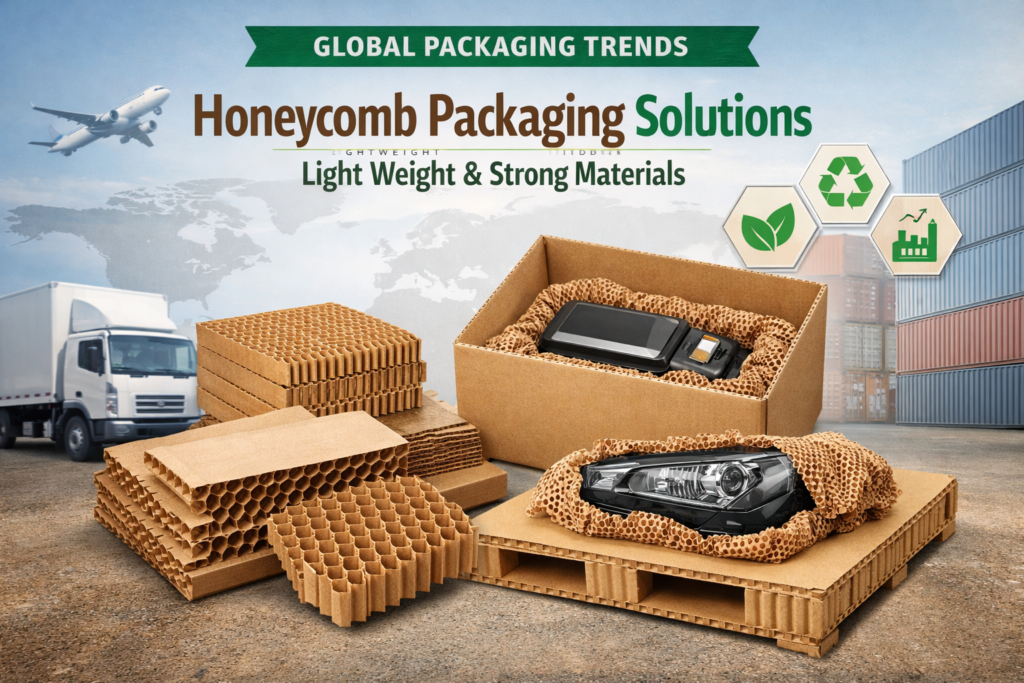
Global Packaging Trends: Moving Towards Honeycomb Packaging Solutions with Lightweight and Strong Materials

The global packaging industry is undergoing a major transformation. As businesses face increasing pressure to reduce costs, improve sustainability, and ensure product safety, innovative materials are becoming more important than ever. Among these, honeycomb packaging solutions are emerging as a preferred choice for companies seeking the ideal balance between strength, lightweight design, and environmental responsibility. The Shift Towards Smarter Packaging Traditional packaging materials such as wood, thermocol, and plastic have long been used for protection during shipping and storage. However, these materials come with several limitations, including excessive weight, environmental impact, and higher transportation costs. Today, companies across the globe are shifting toward lightweight and strong materials that offer equal or better performance while reducing their carbon footprint. This transition is driven by rising logistics costs, stricter environmental regulations, and growing consumer awareness around sustainability. What is Honeycomb Packaging? Honeycomb packaging is inspired by the natural hexagonal structure of a beehive. This design provides exceptional strength while using minimal material. Typically made from kraft paper or recycled paper, honeycomb structures are engineered to absorb shocks, distribute weight evenly, and protect products during transit. Despite being lightweight, honeycomb packaging is capable of handling heavy loads, making it a reliable alternative to traditional packaging materials. Why Honeycomb Packaging is Gaining Global Popularity 1. Lightweight yet Highly DurableHoneycomb packaging offers an excellent strength-to-weight ratio. It reduces the overall weight of shipments, leading to lower transportation costs while maintaining product safety. 2. Sustainable and Eco-FriendlyAs sustainability becomes a global priority, honeycomb packaging stands out as an environmentally responsible option. It is made from recyclable and biodegradable materials, contains no harmful chemicals, and supports waste reduction. 3. Cost-Effective SolutionBy reducing material usage and shipping weight, businesses can significantly lower costs. It also minimizes the need for multiple packaging layers, improving efficiency in logistics and handling. 4. Versatility Across IndustriesHoneycomb packaging is widely used across multiple sectors, including e-commerce, automotive, electronics, furniture, and industrial goods. Its adaptability makes it suitable for a wide range of applications. 5. Enhanced Product ProtectionThe unique structure of honeycomb cores absorbs impact effectively, reducing the risk of damage during transit. This leads to fewer returns and improved customer satisfaction. Global Trends Driving Adoption Globally, businesses are prioritizing sustainable innovation in packaging. Governments and regulatory bodies are also encouraging the use of eco-friendly materials, prompting companies to rethink their packaging strategies. Key trends include: Honeycomb packaging aligns perfectly with these trends, making it a future-ready solution. The Role of Innovation in Packaging Companies like Greencore are playing a crucial role in advancing sustainable packaging solutions. By investing in modern technology and eco-friendly materials, businesses can deliver high-performance packaging without compromising on environmental goals. Continuous innovation in honeycomb packaging design and manufacturing is further enhancing its strength, customization, and usability across industries. Looking Ahead The future of packaging lies in solutions that are both efficient and sustainable. Honeycomb packaging demonstrates how smart design can replace heavy, non-eco-friendly materials with lightweight and high-performance alternatives. As industries evolve, adopting lightweight and strong materials will become essential for long-term success. Conclusion The shift towards honeycomb packaging solutions reflects a broader change in the global packaging landscape. Businesses today are not just focused on protection, but also on sustainability, cost efficiency, and innovation. By adopting honeycomb packaging, companies can reduce costs, lower environmental impact, and stay competitive in a rapidly changing market. It is not just a trend it is the future of packaging.

Honeycomb packaging
Blog

The Role of Honeycomb Packaging in Modern Manufacturing

In today’s fast-paced manufacturing world, protecting products during transit is more important than ever. One innovative solution gaining popularity among manufacturers is honeycomb packaging. This eco-friendly, durable, and versatile packaging option is transforming how products are shipped, stored, and displayed. What is Honeycomb Packaging? Honeycomb packaging is made from a lightweight yet strong material designed in a hexagonal structure, resembling a honeycomb. This design provides exceptional strength-to-weight ratio, making it ideal for protecting fragile and heavy items alike. Its unique structure allows for cushioning, shock absorption, and stability, reducing the risk of product damage during handling and transportation. Benefits of Honeycomb Packaging for Manufacturers1. Cost-Effective and LightweightHoneycomb panels are much lighter than traditional packaging materials like wood or plastic crates. This not only reduces shipping costs but also minimizes handling labor.2. Eco-Friendly SolutionMost honeycomb packaging is made from recyclable materials, helping manufacturers meet sustainability goals and appeal to environmentally conscious consumers.3. Customizable DesignHoneycomb packaging can be easily cut and shaped to fit products of any size. Manufacturers can customize the thickness, layers, and dimensions to meet specific packaging needs.4. Superior ProtectionThe hexagonal structure distributes weight evenly and absorbs shocks, preventing damage to delicate or high-value products. This reliability enhances customer satisfaction and reduces returns.5. Versatility Across IndustriesHoneycomb packaging is widely used in industries such as electronics, furniture, automotive, and food. Its strength and adaptability make it suitable for nearly any product type. SEO-Friendly Tips for Manufacturers• Use Keywords Naturally: Include terms like “eco-friendly packaging,” “durable shipping solutions,” “honeycomb packaging benefits,” and “custom packaging for manufacturers.”• Highlight Sustainability: More buyers search for sustainable packaging solutions, so emphasize eco-friendliness.• Include Case Studies or Examples: Show real-life applications where honeycomb packaging improved shipping efficiency or reduced product damage.• Internal Linking: Link to related pages on your website, such as your manufacturing services or product catalog. Conclusion For manufacturers looking to combine cost-efficiency, sustainability, and superior protection, honeycomb packaging offers a smart solution. Its customizable, lightweight, and eco-friendly design ensures products arrive safely, reducing waste and boosting customer satisfaction. By embracing honeycomb packaging, manufacturers can stay ahead in a competitive market while supporting environmental responsibility.

Blog

Pallet Sleeve Box Solutions by Greencore: Smart, Sustainable & Cost-Effective Packaging

In today’s fast-moving logistics and manufacturing environment, businesses need packaging that is durable, reusable, and efficient. Pallet sleeve boxes are emerging as a game-changing solution for bulk storage and transportation. At Greencore, we provide high-quality pallet sleeve box systems designed to optimize warehouse space, reduce packaging waste, and improve supply chain performance. What Is a Pallet Sleeve Box? A pallet sleeve box is a modular bulk packaging system consisting of three main components: a base pallet, a foldable sleeve (corrugated plastic or honeycomb board), and a lid. When assembled, it creates a strong, stackable container ideal for transporting automotive parts, FMCG goods, pharmaceuticals, agriculture produce, and industrial components. Unlike traditional wooden crates or single-use corrugated boxes, pallet sleeve packaging is reusable and collapsible, making it a cost-effective and eco-friendly choice. Key Benefits of Greencore Pallet Sleeve Boxes Industries That Use Pallet Sleeve Boxes Greencore’s pallet sleeve box systems are widely used in:• Automotive manufacturing• Electronics and appliances• Retail and FMCG distribution• Pharmaceutical logistics• Agriculture and food processing Their versatility makes them suitable for both domestic and export shipments. Why Choose Greencore for Pallet Sleeve Boxes? Greencore is committed to delivering innovative and sustainable industrial packaging solutions. Our pallet sleeve boxes are manufactured using high-quality materials to ensure durability, hygiene, and repeated usability. We focus on:• Quality assurance• Competitive pricing• On-time delivery• Custom engineering solutions• Excellent customer support

foldable large containers
Blog

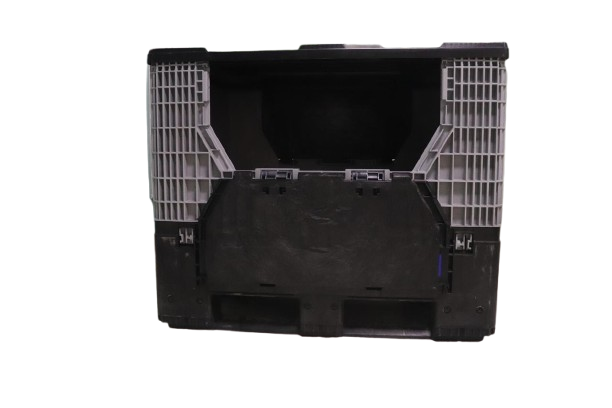
Foldable Large Container: A Smart Solution for Modern Storage & Logistics

In today’s fast-moving industrial and logistics environment, businesses are constantly looking for smarter, cost-effective, and space-saving storage solutions. One such innovation that has gained significant popularity is the Foldable Large Container (FLC). Designed for durability, flexibility, and efficiency, these containers are transforming supply chain and warehouse operations across industries. What is a Foldable Large Container? A Foldable Large Container (FLC) is a heavy-duty, reusable storage and transport container that can be collapsed when not in use. Unlike traditional rigid containers, FLCs are designed with foldable walls, allowing them to save space during return transport or storage. These containers are commonly made from high-quality plastic (HDPE/PP) or metal frames with reinforced panels to withstand heavy loads and repeated use. Key Features of Foldable Large Containers One of the biggest advantages of foldable containers is their ability to collapse. When empty, they can reduce storage space by up to 60–80%, lowering warehouse and transportation costs. FLCs are built for strength. They can carry heavy industrial components, agricultural produce, automotive parts, and bulk materials without compromising structural integrity. Made from robust materials, these containers are resistant to moisture, chemicals, and impact. Their long lifecycle makes them a sustainable alternative to single-use packaging. Most foldable large containers are compatible with forklifts and pallet systems. They are stackable both when folded and unfolded, ensuring optimized vertical storage. How to Choose the Right Foldable Large Container When selecting an FLC, consider:• Load-bearing capacity• Material quality• Folded height ratio• Compatibility with pallets or forklifts• Industry-specific requirements Choosing the right container ensures long-term cost savings and operational efficiency. Conclusion Foldable Large Containers are redefining modern storage and logistics solutions. With their space-saving design, durability, and cost efficiency, they provide businesses with a smarter and more sustainable way to manage bulk goods and materials. As industries continue to prioritize efficiency and sustainability, foldable large containers stand out as a practical investment for future-ready operations.

Blog

Compressed Wood Pallet

Compressed Wood Pallets – Smart, Lightweight & Export-Ready Compressed wood pallets—also known as presswood pallets—are an innovative, eco-friendly alternative to traditional wooden and plastic pallets. Made from recycled wood fibers and compressed under high temperature and pressure, these pallets deliver exceptional strength, consistency, and performance. Why Choose Compressed Wood Pallets? ISPM-15 Exempt: Fully heat-treated during manufacturing, making them ideal for export without additional fumigation. Lightweight yet Strong: High load capacity with significantly lower weight, reducing freight cost. Nestable & Space-Saving: Up to 60% more pallets can be stored in the same area. Eco-Friendly: Manufactured from recycled wood waste and 100% recyclable. Safe & Clean: No nails, splinters, or sharp edges—suitable for food, pharma, and clean environments. Applications of Compressed Wood Pallets Compressed wood pallets are used across industries including: Automotive & engineering FMCG & retail Pharmaceuticals Electronics Exports and logistics Chemical & industrial goods Their lightweight design makes them especially beneficial for air shipments and sea container optimization.  

Honeycomb Paper Pallet Image with Different Designs
Blog

Eco-Friendly Revolution: Why Honeycomb Paper Pallets Are the Future of Sustainable Shipping

In the ever-evolving world of logistics and supply chain management, sustainability has become a top priority. Companies are actively seeking innovative solutions to reduce their carbon footprint while optimizing efficiency. One such breakthrough is the honeycomb paper pallet—an eco-friendly, lightweight, and cost-effective alternative to traditional wooden and plastic pallets. This blog explores why honeycomb paper pallets are revolutionizing the shipping industry and why they are crucial for a sustainable future. What Are Honeycomb Paper Pallets? Honeycomb paper pallets are made from recycled paper materials crafted into a honeycomb structure. This design not only makes them incredibly lightweight but also highly durable. Their construction offers an excellent balance between strength and eco-friendliness, making them a compelling option for industries aiming to meet sustainability goals. Benefits of Honeycomb Paper Pallets Why Are Honeycomb Paper Pallets the Future? 1. Growing Environmental Awareness With the global push for greener solutions, industries are under pressure to adopt eco-friendly practices. Honeycomb paper pallets align perfectly with the growing emphasis on sustainability, helping businesses comply with environmental regulations and demonstrate corporate responsibility. 2. Cost Savings in Logistics In today’s competitive market, reducing operational costs is vital. The lightweight design and reduced material costs of honeycomb pallets help companies save money, giving them a competitive edge while promoting sustainable practices. 3. Global Shift Toward Circular Economies Honeycomb pallets support the shift toward a circular economy by reducing waste and promoting the reuse of materials. As consumers and stakeholders demand more sustainable products, businesses that adopt eco-friendly alternatives are better positioned for long-term success. 4. Improved Supply Chain Efficiency The durability and lightweight nature of honeycomb paper pallets streamline supply chain operations, reducing handling issues and improving overall efficiency. This innovation not only saves money but also supports a greener logistics network. Challenges and Solutions While honeycomb paper pallets are highly beneficial, there are some challenges to consider: Industries That Can Benefit The Road Ahead The adoption of honeycomb paper pallets signals a shift toward a more sustainable future in the shipping industry. By reducing environmental impact, lowering costs, and improving supply chain efficiency, they are paving the way for greener logistics solutions. As businesses worldwide embrace eco-friendly shipping practices, honeycomb paper pallets are emerging as a critical tool in reducing carbon footprints and promoting a healthier planet. Now is the time to invest in sustainable alternatives and join the eco-friendly revolution! Key Takeaways

How Honeycomb Paper Packaging is Shaping the Future of Protective Shipping
Blog

How Honeycomb Paper Packaging is Shaping the Future of Protective Shipping

In the modern era of e-commerce and global trade, shipping goods safely has become a critical challenge for businesses. As companies strive to deliver products undamaged while embracing sustainability, the demand for eco-friendly, innovative packaging materials is on the rise. Among these solutions, honeycomb paper packaging is emerging as a game-changer, offering both durability and environmental benefits. In this article, we will explore the unique advantages of honeycomb paper packaging, its applications, and how it is shaping the future of protective shipping. The Growing Need for Eco-Friendly Packaging The shipping industry faces a dual challenge: ensuring goods are securely packaged while minimizing environmental impact. Traditional materials such as plastic bubble wrap, Styrofoam, and foam peanuts have long been used for protective shipping. However, these materials are notoriously harmful to the environment, contributing to landfill waste and pollution. The push for sustainability has shifted focus toward biodegradable and recyclable packaging options, with honeycomb paper leading the charge. Consumers are also increasingly demanding eco-friendly solutions, making sustainable packaging a competitive advantage for businesses. What is Honeycomb Paper Packaging? Honeycomb paper packaging is a material designed to mimic the hexagonal structure of a beehive, renowned for its strength and efficiency. Made from layers of kraft paper, the packaging features a cellular construction that creates lightweight yet incredibly strong sheets. This design offers excellent shock absorption, making it ideal for protecting fragile goods during transit. The honeycomb structure uses fewer raw materials while providing superior strength, reducing waste and cost. Its unique properties make it a sustainable and highly effective alternative to conventional protective packaging materials. Benefits of Honeycomb Paper Packaging Applications of Honeycomb Paper Packaging Honeycomb paper packaging is versatile and widely used across various industries. Here are some of its key applications: How Honeycomb Paper Packaging is Revolutionizing Shipping The adoption of honeycomb paper packaging is not just a trend—it is a transformative shift in how businesses approach protective shipping. Here’s why it’s reshaping the future: Challenges and Future Outlook While honeycomb paper packaging offers numerous benefits, there are some challenges to consider. The production process requires specialized machinery, which may pose a barrier for smaller manufacturers. Additionally, while honeycomb paper is highly durable, it may not be suitable for all products, particularly those requiring moisture resistance. Despite these challenges, the future of honeycomb paper packaging looks promising. As technology advances and the demand for sustainable packaging grows, we can expect further innovations in this space. Governments and businesses are also investing in research and development to make eco-friendly packaging solutions more accessible and cost-effective. Conclusion Honeycomb paper packaging is shaping the future of protective shipping by combining strength, sustainability, and cost-effectiveness. As businesses prioritize eco-friendly practices and consumers demand greener solutions, this innovative material is becoming a preferred choice for packaging across industries. From reducing shipping costs to minimizing environmental impact, honeycomb paper offers a range of benefits that make it a game-changing solution for the modern supply chain. By adopting honeycomb paper packaging, businesses can not only protect their products but also contribute to a healthier planet. As we move toward a more sustainable future, honeycomb packaging is set to play a vital role in revolutionizing the way we ship goods.

Blog

Is honeycomb packaging biodegradable?

Sustainability is at the forefront of modern packaging solutions, and businesses worldwide are seeking eco-friendly alternatives to traditional materials. Among the many options, honeycomb packaging has gained significant attention for its environmental benefits. But the question arises: is honeycomb packaging biodegradable? The answer is a resounding yes! What Makes Honeycomb Packaging Biodegradable? Honeycomb packaging is primarily made from kraft paper, which is derived from natural wood pulp. Kraft paper is: This means honeycomb packaging not only protects your products but also contributes to a greener planet. The Biodegradation Process When disposed of in the right conditions, honeycomb packaging breaks down within a few weeks to months. Factors influencing its biodegradation include: Why Choose Biodegradable Honeycomb Packaging? Applications of Honeycomb Packaging Honeycomb packaging is versatile and used across industries: Greencore Honeycomb Packaging: Your Sustainable Partner At Greencore Honeycomb Packaging, we take pride in delivering high-quality, biodegradable honeycomb products tailored to your needs. Our solutions are: Conclusion Yes, honeycomb packaging is biodegradable, making it a top choice for businesses looking to adopt sustainable practices. Its eco-friendly properties, combined with strength and versatility, make it a superior alternative to plastic-based materials. Switch to Greencore Honeycomb Packaging today and join the movement toward a greener future. Contact us for innovative, sustainable packaging solutions that align with your business goals.

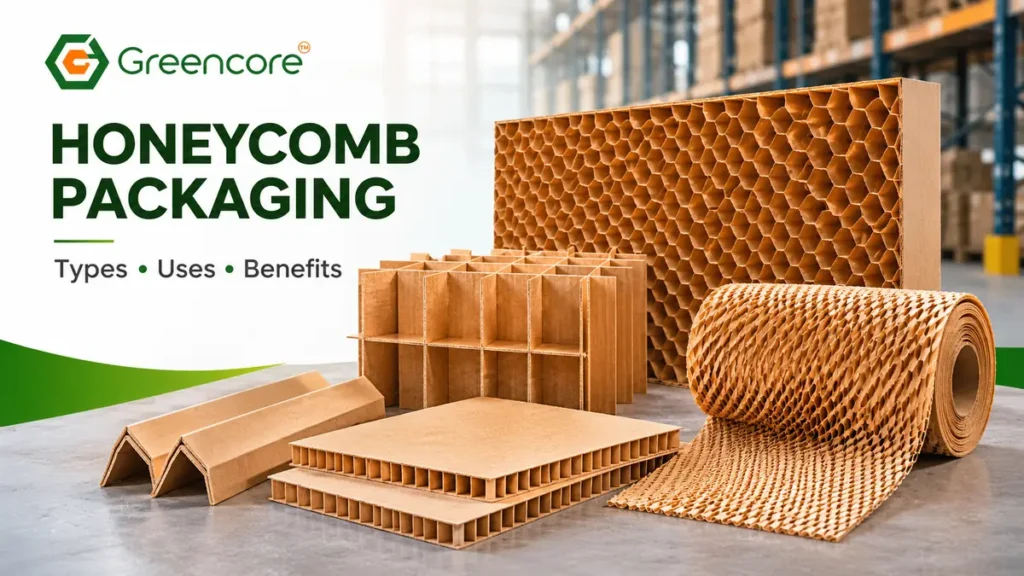
Greencore honeycomb packaging products, including honeycomb panels, separators, edge protectors and expandable paper wrap.
Blog

Honeycomb Packaging Solutions: Types, Uses and Benefits for 2026

Honeycomb packaging is a paper-based material made from hexagonal cells. It cushions, separates and supports products while keeping packaging weight low. Depending on the design, it can replace bubble wrap, foam and some wooden packaging components. In 2026, businesses are also paying closer attention to plastic packaging costs. Global average spot prices for several plastic resins increased sharply between January and April, making it worthwhile for buyers to compare alternative packaging materials. This guide explains the main types of honeycomb packaging, where businesses use them, how they compare with bubble wrap, foam and corrugated board, and what to consider when choosing a honeycomb packaging manufacturer. What Is Honeycomb Paper Packaging? Honeycomb packaging is made from kraft paper formed into a repeating hexagonal cell structure. The cells distribute impact and provide compression strength while keeping the material lightweight. Honeycomb packaging is a product family that includes several formats: Honeycomb wrap: Expanding paper wrap that forms a protective layer around products. Explore Greencore Paper Honeycomb Wrap. Honeycomb separators and die-cut inserts: Dividers and shaped fittings for bottles, glass, panels and other products. See Honeycomb Separators and Paper Honeycomb Die Cut. Paper edge protectors and angle boards: Protect the corners and edges of products during stacking and transport. View Paper Edge Protectors. Honeycomb pallets and sleeves: Support loads or provide protective outer packaging. Explore Honeycomb Pallets and Paper Honeycomb Sleeves. Paper honeycomb core: A lightweight structural material used inside doors, furniture and panels. Learn about Paper Honeycomb Core. Where Is Honeycomb Packaging Used? Honeycomb packaging can be adapted to different product shapes, weights and shipping requirements. Industry or product Common honeycomb formats Typical purpose Glass, bottles and jars Separators, die-cut inserts and wrap Keeps items apart and helps absorb knocks Furniture and lamps Edge protectors, wrap and die-cut corners Protects corners and flat surfaces Stone, tiles and mirrors Edge protectors and separators Separates heavy flat items and protects edges Electronics and appliances Die-cut inserts and edge protectors Provides outer protection; delicate components may need additional cushioning Heavy goods and exports Pallets, sleeves and panels Supports loads and helps protect goods during transport The right format depends on the product, load, shipping conditions and required level of protection. Always test packaging with the actual product and shipping route. Honeycomb Paper vs. Bubble Wrap vs. Foam Honeycomb paper, bubble wrap and foam protect products in different ways. The best choice depends on the product’s fragility, shape, weight and transport conditions. Feature Honeycomb paper Bubble wrap Foam (PE or EPS) Material Kraft paper Polyethylene film with air pockets Polyethylene or polystyrene foam How it protects Hexagonal cells distribute impact Air pockets compress and absorb shock Compresses and cushions; can be cut to shape Storage Often ships flat and expands during use Usually occupies its full volume before use Can be bulky End of life Paper recycling where accepted Requires suitable plastic-film collection Recycling options vary by type Moisture Paper can weaken when damp unless protected Generally moisture-resistant Generally moisture-resistant Typical applications Bottles, irregular items and void fill Fragile items and surface protection Precision-fitted protection for delicate products These are general material descriptions, not a guarantee of performance. Test the packaging with your product before changing materials. Honeycomb Packaging vs. Corrugated Board Honeycomb paper and corrugated board are both paper-based packaging materials, but their structures give them different strengths. Feature Honeycomb Corrugated board Structure Hexagonal core, often faced with paper Fluted paper between liner sheets Strength Effective under distributed compression; may crush under concentrated loads Good bending strength and surface protection Typical uses Pallet loads, bulkheads, protective panels and structural packaging Boxes, liners, partitions and inserts Cost considerations May cost more upfront but can reduce the need for some bracing Often economical for boxes and simple inserts Storage Many formats can be stored flat Die-cut blanks can be stored flat Many packaging systems use both materials: corrugated board for boxes and inserts, and honeycomb where distributed compression strength or lightweight structural support is needed. Limitations: When Should You Be Careful With Honeycomb? Honeycomb packaging is not ideal for every product or shipping environment. Wet or humid routes: Paper may lose strength when damp. Ask about moisture-resistant grades or protective barriers. Delicate electronics: Honeycomb may provide general protection, while sensitive components may still require foam or bubble wrap. High point loads: Concentrated pressure can crush honeycomb. Consider facings, corner posts or a different packaging design. Compliance and environmental claims: Some products include adhesives, coatings or plastic components. Ask your supplier for documentation before making claims about certifications or recyclability. REACH and Compliance: What Buyers Should Ask Buyers shipping products to the European Union may ask suppliers about REACH requirements. Under REACH Article 33, suppliers of articles containing a Candidate List substance of very high concern above 0.1% by weight have information obligations. Requirements depend on the product and its materials. When assessing a honeycomb packaging supplier, ask for relevant documentation, such as: A product-specific REACH statement, where applicable Information about adhesives, coatings and laminates Test reports or material declarations supporting the statement Any certificates the supplier claims to hold Do not assume that every honeycomb product has the same compliance status. Confirm the documentation for the exact product you intend to purchase. This section is general information, not legal advice. Why Are Plastic Price Increases Encouraging Buyers to Compare Honeycomb? Plastic resin prices are influenced by oil and gas markets, petrochemical capacity and supply disruptions. Market reviews published in May 2026 reported substantial increases in several global average spot prices between January and April. Resin January 2026 ($/tonne) April 2026 ($/tonne) Reported change HDPE 980 1,720 +75.5% LDPE 1,120 1,950 +74.1% LLDPE 1,050 1,830 +74.3% Polypropylene (PP) 1,080 1,760 +63.0% PET 920 1,310 +42.4% PVC 780 975 +25.0% Source: Wanplas, Detailed Analysis of Global Plastic Prices by Resin Type, published 9 May 2026. These are reported spot-price averages, not the price a buyer will necessarily pay for finished packaging. Resin prices change, and increases may take time to affect packaging quotes. Check current market figures and supplier

Can Honeycomb Paper Give Cushion Like Bubble Wrapping Roll? | Greencore Packaging Solution
Blog

Can Honeycomb Paper Roll Give Cushion Like Bubble Wrapping Roll?

In today’s eco-conscious world, businesses and individuals are shifting to sustainable packaging options to reduce their environmental footprint. One such alternative to traditional plastic bubble wrap is the honeycomb paper roll. But can honeycomb paper truly provide the same level of cushioning and protection as bubble wrapping rolls? Let’s find out. What is Honeycomb Paper Roll? Honeycomb paper roll is a packaging material made from kraft paper, designed with a hexagonal honeycomb structure. Inspired by the natural strength of a beehive, the honeycomb structure creates a durable, flexible, and lightweight material ideal for wrapping fragile items. The design ensures shock absorption while remaining 100% recyclable and biodegradable, making it a great alternative to plastic bubble wrap. Can Honeycomb Paper Match the Cushioning of Bubble Wrap? The short answer is yes. Honeycomb paper rolls can provide cushioning similar to bubble wrap when used correctly. Here’s how: Benefits of Honeycomb Paper Roll Over Bubble Wrapping Roll While bubble wrap has been a popular choice for decades, honeycomb paper roll offers numerous advantages: When to Use Honeycomb Paper Roll vs. Bubble Wrap? However, with advancements in honeycomb technology, it is now a versatile solution that can replace bubble wrap in most scenarios. Conclusion: Is Honeycomb Paper Roll a Viable Alternative? Absolutely! Honeycomb paper roll provides exceptional cushioning comparable to traditional bubble wrapping rolls while being eco-friendly, cost-effective, and visually appealing. It’s a sustainable choice for businesses looking to reduce their environmental impact without compromising on protection. At Greencore Packaging Solution, we take pride in offering the best honeycomb paper packaging in India, ensuring your products are well-protected and your brand contributes to a greener planet. Looking for a reliable, eco-friendly alternative to bubble wrap?Contact Greencore Packaging Solution today and explore our premium honeycomb paper rolls for all your packaging needs!

Scroll to Top